Cobalt-Chromium Alloy
Cobalt-chromium alloy for partial dentures, bridges & implant frameworks.

In stock · 20 available · SKU DL-LM-COCRAL
Actual product may differ slightly from the picture due to market availability.
Description
Cobalt-Chromium Alloy is a medical-grade, non-precious casting and milling formulation engineered specifically for fabricating high-strength, lightweight prosthetic substructures and framework components in dental laboratories. Formulated from a balanced metallurgical matrix of cobalt, chromium, and molybdenum, Cobalt-Chromium Alloy delivers exceptional mechanical endurance, physiological passivity, and uncompromising corrosion resistance in the moist oral environment, ensuring that long-term restorations remain structurally sound and non-toxic to surrounding tissues.
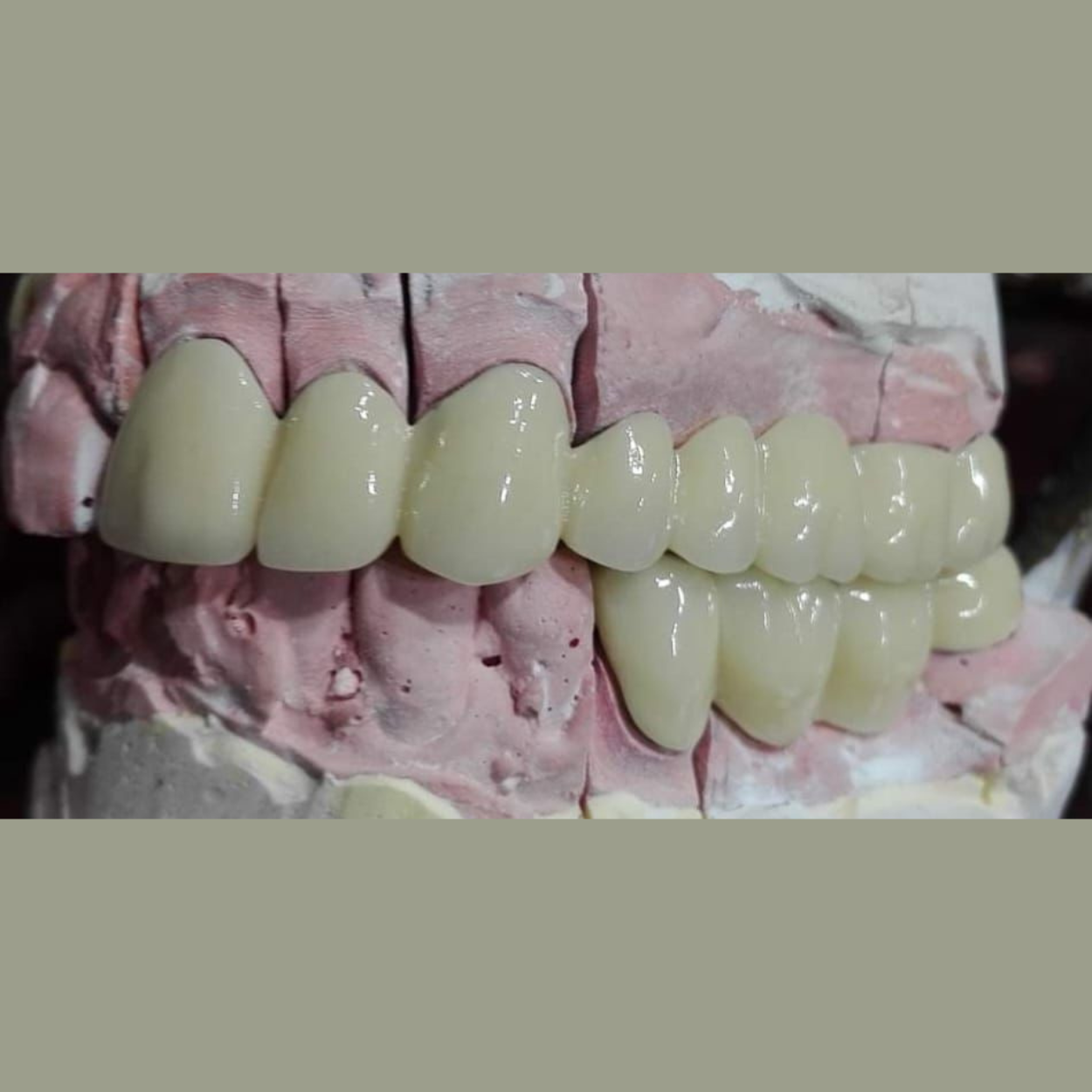
Widely utilized across commercial dental laboratories and hospital prosthodontic departments, Cobalt-Chromium Alloy provides the structural foundation for removable partial denture frameworks, porcelain-fused-to-metal (PFM) crown and bridge units, and complex implant superstructures. By offering a high strength-to-weight ratio and a thermal expansion coefficient calibrated to standard dental layering porcelains, Cobalt-Chromium Alloy enables technicians to design delicate, thin-walled prostheses that minimize patient oral bulk without risking deformation, fracture, or ceramic debonding under heavy masticatory loads.
Key Features
- Formulated with a precisely balanced base of cobalt, chromium, and molybdenum, completely free from hazardous nickel and beryllium to ensure full oral biocompatibility.
- Exceptional 0.2% proof yield strength exceeding 550 MPa, allowing for the construction of rigid, low-profile major connectors and slender clasp arms that resist permanent deformation.
- Dense, self-passivating chromium-oxide surface layer that prevents intraoral galvanic corrosion, marginal discoloration, and bacterial biofilm adhesion.
- High modulus of elasticity and superior fatigue resistance engineered to endure cyclic occlusal forces in high-stress distal extension and bruxist applications.
- Compatible with traditional induction casting, high-precision CAD/CAM disc milling, and fine-grade powder bed additive manufacturing (Selective Laser Melting/SLM).
- Controlled thermal expansion coefficient (~14.1–14.4 × 10⁻⁶ K⁻¹) engineered for stable, crack-free metallurgical bonding with mainstream dental veneering ceramics.
- Low-density alloy formulation that keeps the overall physical weight of long-span bridges and full-arch frameworks light for enhanced patient comfort.
- Compliant with international manufacturing and material safety benchmarks, including ISO 22674 (Type 4/5 dental alloys) and FDA 21 CFR Part 820 quality management standards.
- Homogeneous microstructure that facilitates smooth sprue grinding, sandblasting, electrolytic deoxidizing, and high-gloss mechanical polishing with standard lab rotary tools.
Clinical Uses
- Casting and additive manufacturing of removable partial denture (RPD) frameworks, including lingual plates, palatal straps, and retentive Akers or roach clasps.
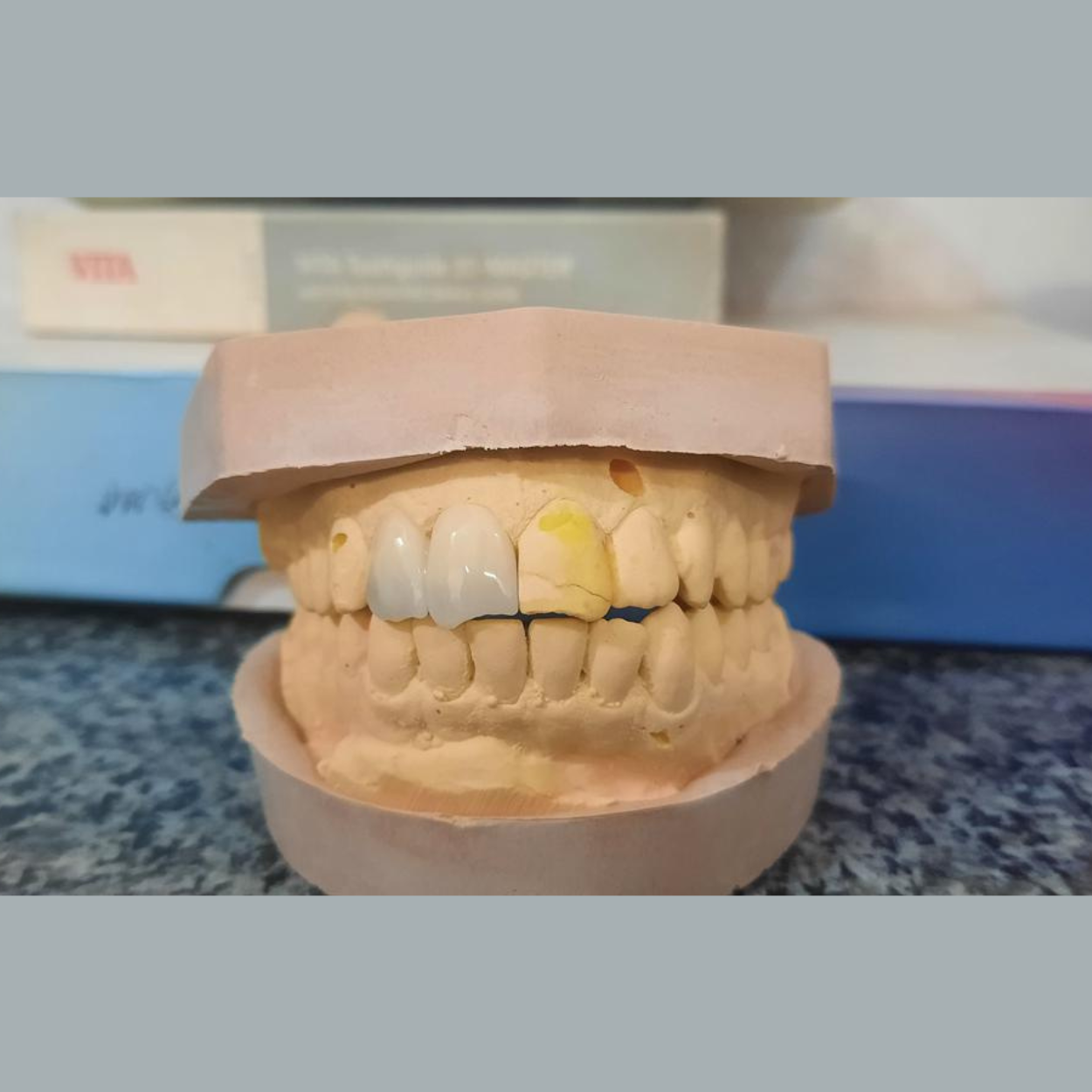
- Fabrication of single-unit copings and multi-unit long-span substructures for porcelain-fused-to-metal (PFM) anterior and posterior fixed prostheses.
- Milling and casting of full-arch screw-retained implant superstructures, bar overdentures, and customized trans-gingival abutments.
- Construction of primary and secondary telescopic crowns and precision attachment housings used in combined fixed-removable oral reconstructions.
- Production of durable sublingual arches, occlusal splints, and periodontally compromised tooth splinting frameworks requiring non-yielding rigidity.
- Fabrication of heavy-duty orthodontic expansion appliances, bite plates, and lingual holding arches requiring reliable brazing and laser weldability.
- High-temperature burnout and phosphate-bonded induction casting workflows requiring uniform liquidus-to-solidus flowability without porosity.
Why Dental Professionals Choose Cobalt-Chromium Alloy
- Delivers an economical, high-performance alternative to precious gold and semi-precious palladium alloys, lowering laboratory material costs without compromising structural integrity.
- Guarantees patient safety with a zero-nickel and zero-beryllium formulation that prevents intraoral hypersensitivity, mucosal irritation, and gingival tattooing.
- Creates a thermally stable bonding oxide during ceramic degassing cycles, drastically reducing the occurrence of porcelain chipping or mechanical ceramic delamination.
- Maintains long-term dimensional stability during high-heat porcelain firing cycles, eliminating coping distortion and preserving intimate marginal fit on preparation dies.
- Produces a mirror-finish polish along mucosal surfaces, significantly reducing plaque accumulation, food entrapment, and soft-tissue inflammation under pontics.
- Seamlessly adapts to both conventional lost-wax laboratory workflows and modernized digital CAD/CAM milling or metal 3D printing equipment.
Who Should Buy Cobalt-Chromium Alloy?
- Commercial Dental Laboratories across Pakistan requiring dependable casting ingots, SLM powders, or milling discs for high-volume RPD and crown-and-bridge production.
- Hospital Dental Departments and Maxillofacial Prosthodontic Centers fabricating specialized trauma splints, obturators, and extensive reconstruction frameworks.
- Dental Colleges and University Teaching Laboratories requiring standardized, high-performance non-precious casting alloys for prosthodontic training and student bench tests.
- In-House Clinical Dental Laboratories operating digital milling units or induction casting machines for fast, controlled turnaround of fixed prosthetics.
- B2B Dental Supply Distributors and Wholesalers in major metropolitan trading hubs sourcing ISO-certified prosthetic alloys for local laboratory distribution.
Product Specifications
- Alloy Composition: Cobalt (Co) 60–65%, Chromium (Cr) 27–30%, Molybdenum (Mo) 5–7%, with minor balance of Si, Mn, and C ( 1%).
- Toxicity Class: 100% Nickel-free (Ni 0.0%) and Beryllium-free (Be 0.0%).
- Yield Strength (Rp 0.2%): 550 to 650 MPa (conforming to ISO 22674 Type 4/5 specifications).
- Tensile Strength (Rm): 800 to 920 MPa.
- Vickers Hardness (HV10): 340 to 380 HV.
- Melting Interval: Solidus temperature 1,320°C; Liquidus temperature 1,420°C.
- Coefficient of Thermal Expansion (CTE 25–500°C): 14.1 – 14.4 × 10⁻⁶ K⁻¹.
- Elongation at Fracture (A5): 8% to 11%.
Related products